
Understanding Sports Broadcasting
Definition and Key Concepts
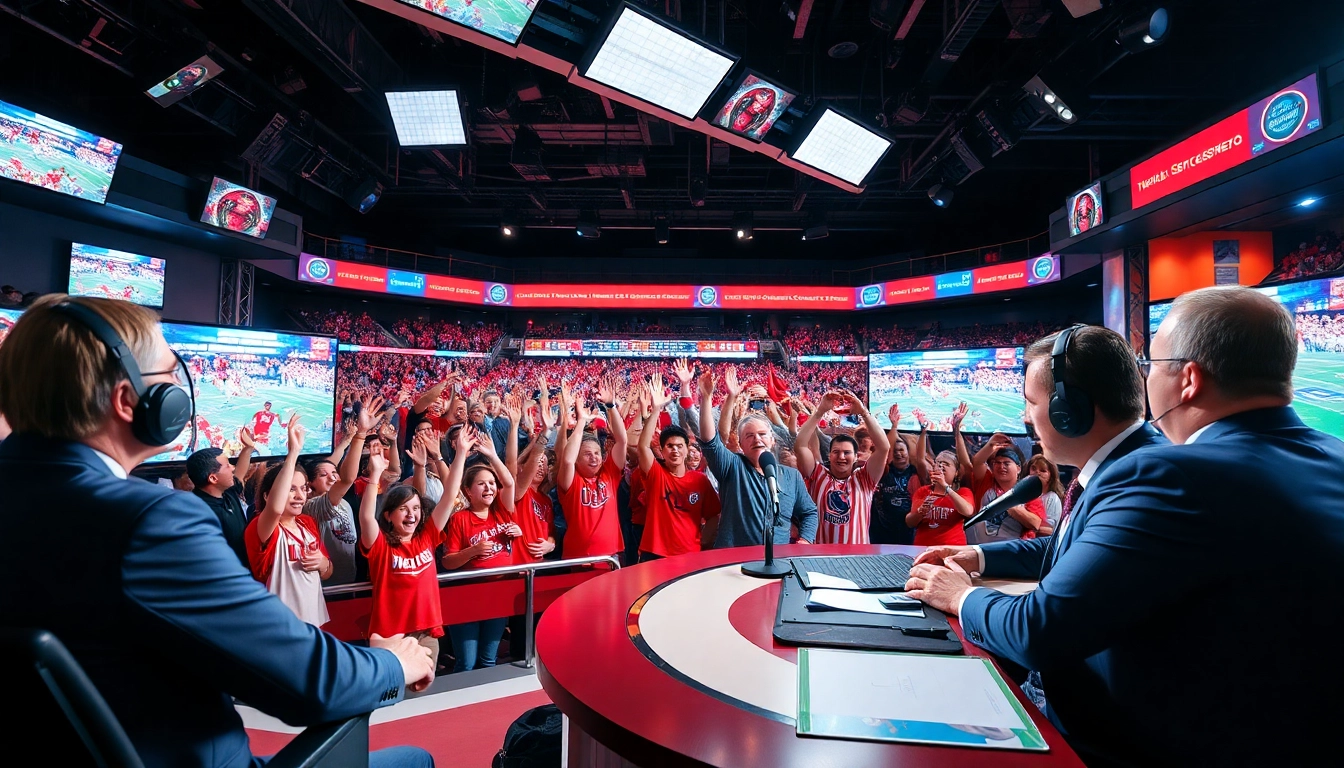
Sports broadcasting encompasses the transmission of live and recorded sports events through various media channels designed to inform, entertain, and engage audiences. This field combines elements of journalism, technology, and entertainment while employing a range of platforms, from traditional television to modern streaming services. In the contemporary landscape, Sports Broadcasting utilizes intricate technologies and innovative strategies aimed at enhancing viewer experiences and fostering deeper fan engagement.
Historical Evolution of Sports Broadcasting
The origins of sports broadcasting can be traced back to the early 20th century when radio stations began covering live sports events, allowing fans to experience the action from afar. The advent of television brought a seismic shift in how audiences consumed sports, with the 1936 Berlin Olympics being one of the first major events broadcasted on TV. The following decades saw technology evolve, including the introduction of color broadcasting and satellite networks, which dramatically expanded reach and accessibility.
As the digital era gained momentum, the move toward online streaming and social media changed the dynamics of sports broadcasting. Today, fans expect dynamic viewing experiences along with interactive content and personalized viewing options that keep pace with their fast-paced lifestyles.
Impact on Viewership and Fan Engagement
Sports broadcasting has significantly transformed the landscape of viewership, shaping how fans interact with their favorite teams and sports. Engagement levels have soared as broadcasters embraced digital platforms that facilitate real-time interaction and feedback. This shift has also encouraged the proliferation of fantasy sports, betting, and multimedia content that keeps audiences enthralled during off-seasons and between matches.
The rise of social media further accentuates this engagement, enabling broadcasters and sports entities to connect directly with fans, share content instantly, and foster community discussions that enhance loyalty and experience.
Technical Aspects of Sports Broadcasting
Equipment and Technology Used
The backbone of sports broadcasting lies in its intricate technological framework, which includes high-definition cameras, drones, and advanced graphics systems that elevate the viewing experience. Modern broadcasts typically employ multiple cameras positioned strategically to capture every angle of the action. Using 4K and even 8K resolution technologies takes sports broadcasting to an extraordinary level by providing clarity that immerses viewers in the experience.
In addition to visual enhancements, audio technologies, such as surround sound and advanced commentary systems, are employed to ensure an immersive experience that replicates the atmosphere of live events. Additionally, augmented reality (AR) and virtual reality (VR) are emerging as game-changers, allowing viewers to experience the sports action from unique perspectives.
Choosing the Right Platforms for Distribution
Understanding the target audience is paramount when selecting distribution platforms for sports broadcasting. Traditional channels like cable networks remain popular among certain demographics, while younger audiences often prefer streaming services and social media platforms. The rise of over-the-top (OTT) services and platforms such as YouTube and Twitch is essential for reaching diverse audiences, allowing broadcasting entities to experiment with formats and presentation styles.
Building a multi-platform strategy that caters to all audience segments can help extend reach and boost engagement. Multi-device accessibility also ensures fans can consume content at their convenience, reflecting modern viewing habits.
High-Definition vs. Standard Broadcasting
The choice between high-definition (HD) and standard-definition (SD) broadcasting is not merely a technical one; it significantly impacts viewer perception and experience. HD broadcasting provides a clearer, more detailed picture, enhancing the visual experience of fast-paced sports events. Audiences expect such quality in an era where many homes feature large-format TVs.
SD broadcasting, while less prevalent in today's competitive landscape, may still have a role for specific demographics or regions with limited bandwidth. However, many sports leagues and events are transitioning completely to HD or higher standards to meet audience expectations and amplify their brand image.
Innovative Strategies in Sports Broadcasting
Leveraging Social Media for Real-Time Interactions
Social media has revolutionized the way sports broadcasting interacts with viewers. Broadcasters utilize platforms like Twitter and Instagram for real-time commentary, behind-the-scenes content, and highlights, amplifying fan engagement. This two-way communication fosters community, allowing fans to voice their opinions and share their excitement about live events.
Innovative strategies include live-tweeting games, exclusive interviews with players, and interactive polls during broadcasts. Such tactics cultivate a sense of involvement among fans, making them feel part of the game, and ultimately enhancing overall viewership and loyalty.
Integrating Augmented Reality into Live Broadcasts
Augmented Reality (AR) is increasingly being integrated into live broadcasts, enhancing storytelling and delivering richer viewer experiences. AR graphics can provide additional context such as player stats, game insights, and virtual replays, all layered over the action as it unfolds. This technology not only educates the audience but also enhances their emotional connection to the events portrayed on screen.
As technological capabilities grow, expect AR to further permeate sports broadcasting, creating immersive experiences that blur the lines between reality and the broadcast itself.
Personalization of Viewing Experiences
Personalization is the next frontier in sports broadcasting, aiming to tailor the viewing experience based on individual preferences. Options like customizable camera angles, commentary choices, and interactive features enable viewers to engage in ways that are most appealing to them.
Services that offer personalized viewing experiences can significantly improve viewer satisfaction. Tailoring content for specific fan interests—be it statistical data for data-savvy fans or emotional storytelling for casual viewers—creates high-value interactions that keep audiences coming back.
Challenges in Sports Broadcasting
Dealing with Regulatory Issues
The world of sports broadcasting is fraught with regulatory challenges, often varying by region and country. Licensing agreements, broadcasting rights, and compliance with local regulations can create hurdles for broadcasters seeking to distribute sports content. Additionally, international sports events must navigate the complexities of diverse broadcasting laws, which can significantly impact their ability to reach global audiences.
Staying informed about evolving regulations and proactively engaging with copyright issues and licensing agreements is vital for broadcasters to maintain competitive advantages.
Managing Broadcast Rights and Partnerships
Negotiating and managing broadcast rights have become increasingly complex, especially as sports leagues aim to maximize revenue through various channels, from traditional TV deals to digital streaming partnerships. Ensuring that rights are secured and effectively leveraged requires robust legal frameworks and strategic foresight.
Long-term partnerships with broadcasters can offer stability; however, keeping up with industry trends and audience demand while ensuring contractual obligations are met can prove challenging but is essential for sustained success.
Competition from Streaming Services
As streaming services continue to reshape the media landscape, traditional sports broadcasters face ongoing challenges to maintain relevance and viewership. The shift towards on-demand content enables fans to bypass standard broadcasts for tailored viewing schedules, leading to declining audiences for traditional cable networks.
Embracing hybrid models that incorporate streaming options alongside conventional broadcasts becomes increasingly important to attract and retain viewers. Creating engaging content that caters to modern viewing habits will be crucial for establishing a competitive edge in this saturated market.
Measuring Success in Sports Broadcasting
Key Performance Indicators (KPIs) to Track
To evaluate the effectiveness of sports broadcasting strategies, organizations need to track a range of key performance indicators (KPIs). Metrics such as viewership numbers, audience retention rates, and engagement levels on social media provide insight into the impact of broadcasts and inform adjustments in strategy where needed. Additionally, measuring revenue generated from advertising and partnerships offers a financial perspective that is critical to assessing overall success.
Fan Feedback and Engagement Metrics
Analyzing fan feedback forms another essential aspect of measuring success. Surveys, social media engagement, and viewer ratings reveal how well broadcasts resonate with audiences. Broadcasters must actively seek and respond to fan input to improve content alignment with viewer expectations and enhance overall satisfaction.
Adapting Strategies Based on Viewer Data
Incorporating data analytics into sports broadcasting helps organizations stay agile and responsive to audience preferences. By leveraging insights derived from viewer habits and feedback, broadcasters can refine strategies to align content more closely with audience expectations. Adapting to changing trends or preferences ensures that content remains relevant, enhancing viewer loyalty and engagement in the long term.
Frequently Asked Questions
What is Sports Broadcasting?
Sports broadcasting involves transmitting live and recorded sports events through various media, integrating technology and entertainment methodologies to engage audiences.
How has technology impacted Sports Broadcasting?
Technology has revolutionized sports broadcasting, enabling HD and AR integration, which enhances viewer experiences and provides real-time data and engagement options.
What are the main challenges in Sports Broadcasting?
Main challenges include navigating regulatory issues, managing broadcast rights, and staying competitive against streaming services that offer on-demand viewing options.
How can broadcasters engage fans better?
Engagement can be improved through social media interactions, personalized viewing experiences, and leveraging innovative technologies like AR to deepen audience connections.
What KPIs should sports broadcasters track?
Key performance indicators include viewership numbers, audience retention rates, engagement metrics on social media, and revenue from advertising and partnerships to measure success.